
Click here to read our affiliate disclaimer. Vitality Gear may earn a small commission from affiliate links in this post at no extra cost that helps to support the site.
Imagine yourself deep in the wilderness, surrounded by towering trees, rocky terrain, and the sounds of nature, and your water supply has run out. Because thirst can quickly become dangerous, knowing how to purify water in the wild can literally mean the difference between life and death. Novices may find it difficult to locate clean drinking water in the wilderness, but with the right information, anyone can stay hydrated and healthy even in trying situations.
Water is the foundation of survival. People can survive without food, though they can not survive without h20. The first step in wilderness preparedness is understanding the difference between available water sources and safe water sources. Streams, rivers, lakes, and even puddles may appear fresh, but they often harbor bacteria, protozoa, or viruses that can cause serious illness. Learning how to purify water in the wild ensures that the water you drink will support your survival rather than compromise it.
This guide will take you step by step through finding and purifying water using methods that are practical for beginners. From spotting natural sources to understanding simple purification techniques, you’ll gain confidence in your ability to manage one of the most critical survival needs. By the end of this article, you’ll not only know where to locate water in the wild but also how to make it safe for drinking. Even if you’ve never gone camping or bushcrafting before, these strategies will give you the skills to thrive in any outdoor scenario.
Finding Water in the Wild
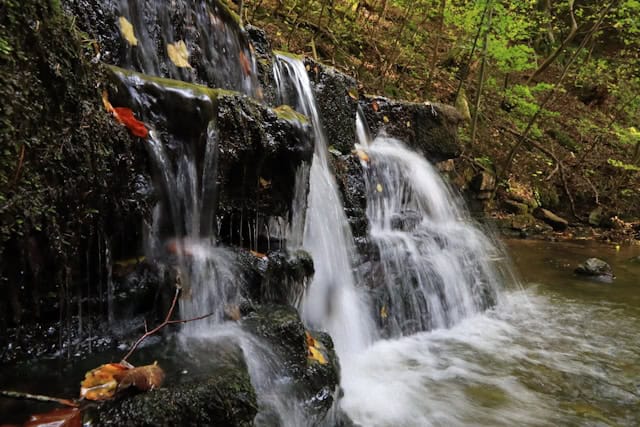
The first step in survival is locating water. Natural sources include streams, rivers, springs, lakes, and ponds. Moving water is usually safer than stagnant water, as it’s less likely to contain harmful bacteria, though it still needs purification. Look for signs of water like green vegetation, animal tracks, or low-lying areas that collect rain. Morning dew can also be collected from leaves with a clean cloth if no larger water sources are nearby. Always avoid water near industrial runoff, chemical spills, or areas with visible contamination.
Methods to Purify Water
Once you’ve found water, purifying it is essential. There are several reliable methods suitable for beginners:
- Boiling: The simplest and most effective method. Bring water to a rolling boil for at least one minute (three minutes at higher altitudes) to kill bacteria, viruses, and protozoa.
- Filtration: Portable water filters can remove many bacteria and protozoa. Some advanced filters also remove chemicals.
- Chemical Purification: Tablets or drops containing iodine or chlorine can make water safe to drink. Follow instructions carefully to avoid over- or under-treating.
- Solar Disinfection: In a pinch, clear plastic bottles exposed to full sunlight for six hours can kill pathogens using UV rays.
Each method has pros and cons, so the best approach is often combining two methods: filtering first, then boiling or chemically treating for extra safety.
Safety Tips and Considerations
Even when purified, always store water in clean containers. Avoid touching the inside of bottles or cups, and keep water covered to prevent contamination. Remember that not all natural water sources are equal—avoid water near stagnant ponds or areas with excessive animal activity if possible. Staying aware of your surroundings and knowing multiple purification methods will make you more resilient in the wild.
Conclusion
Knowing how to purify water in the wild is one of the most critical skills for anyone interested in survival, outdoor adventure, or wilderness preparation. By understanding where to find water and mastering simple purification techniques, you’ll be equipped to stay hydrated and safe in almost any situation. Start practicing these methods on your next camping trip or survival training session, and you’ll gain confidence in your ability to thrive off the grid.
For more survival skills and outdoor tips, check out our guide on building a basic survival shelter. Staying prepared is the first step to thriving in the wild.
429
SHARES


Related Posts
- How to Purify Water in the Wild Without Tools
Survival in the wild depends on knowing how to purify water without tools, ensuring safe…
- 10 Unconventional Uses of Duct Tape for Survival
In this post, we will be looking at 10 unconventional uses of duct tape for…
- Top 10 Edible Wild Plants for Survival: A Guide to Foraging in the Wilderness
Venturing into the untamed wilderness, away from the comforts of civilization, can be both exhilarating…


